You bought a diffuser hoping for spa-like relaxation but you’re staring at hundreds of essential oil bottles online with zero idea which ones will work for your home. Lavender sounds safe but boring. Tea tree smells like medicine. And that “calming blend” could be anything. Here’s the truth. Choosing the best essential oils for diffusers involves matching oils to your goals, understanding dilution ratios and knowing which ones play well with ultrasonic technology. You don’t need expert knowledge or thirty bottles. Just a few well chosen oils, used correctly.
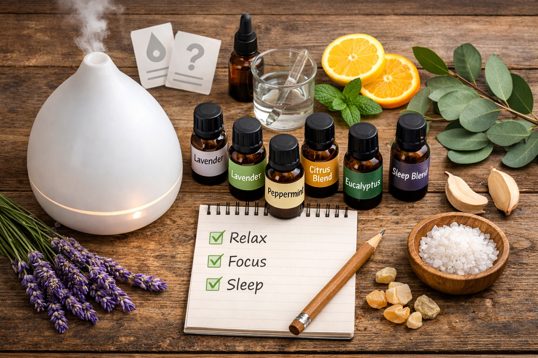
Quick Reference: Oil Selection by Goal
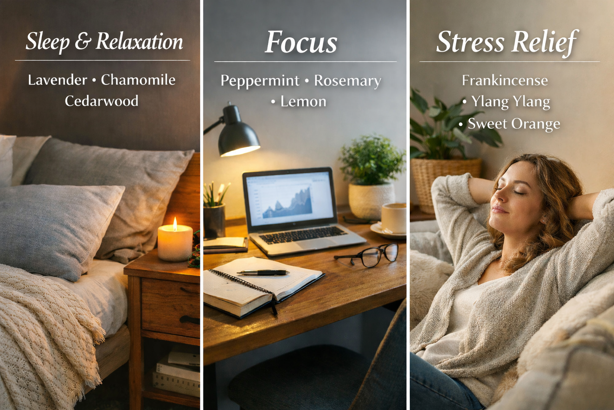
- Better Sleep: Lavender, Roman Chamomile, Bergamot, Cedarwood
- Mental Focus: Peppermint, Rosemary, Lemon, Eucalyptus
- Stress Relief: Frankincense, Ylang Ylang, Clary Sage, Sweet Orange
- Air Quality: Tea Tree, Eucalyptus, Pine, Lemon
- Energy Boost: Grapefruit, Peppermint, Wild Orange, Spearmint
- Traditional Wellness Support: Oregano, Thyme, Clove, Cinnamon (use sparingly)
Understanding Essential Oils for Diffusers
What Makes an Oil Diffuser-Safe?
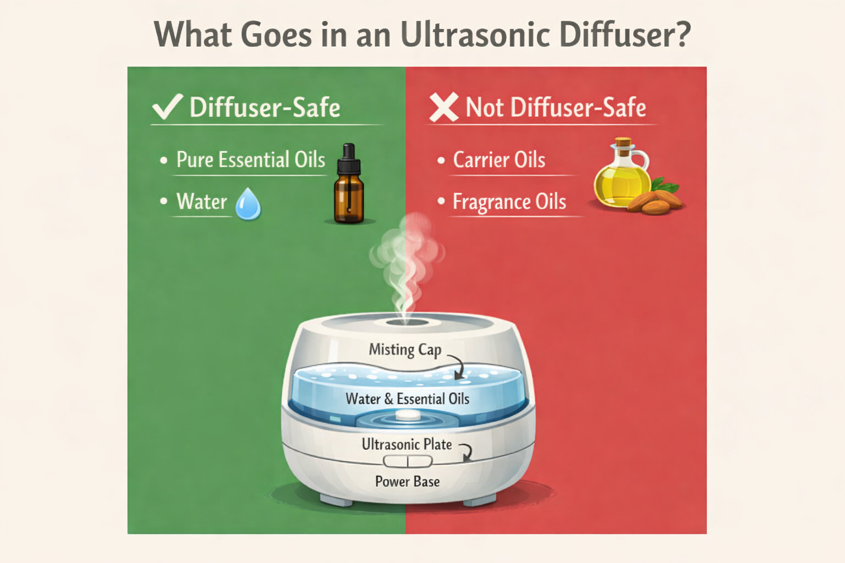
Most single ingredient essential oils diffuse well in ultrasonic diffusers. The main things to avoid are anything heavy or blended – carrier oils (like coconut or jojoba), fragrance oils and “essential oil” products with added solvents or perfume ingredients. These can leave residue, reduce mist output and build up on the ultrasonic plate over time. For best results, stick to 100% pure essential oils (typically steam distilled or cold pressed) and use them only with water.
Essential Oils vs Fragrance Oils: Know the Difference
Essential oils come from plants through distillation or pressing. Fragrance oils are synthetic compounds created in labs to mimic scents. For water based ultrasonic diffusers, you need pure essential oils. Some waterless scent devices like Pura or Aera use proprietary fragrance refills, but for ultrasonic diffusers that use water, stick with 100% essential oils only.
If you’re using a smart diffuser like the ASAKUKI or Sierra Modern Home from my smart diffuser guide, stick with pure essential oils only.
Water-to-Oil Ratios for Ultrasonic Diffusers
Standard formula: approx. 3-5 drops of essential oil per 100ml of water
- Small diffuser (100-200ml): 3-10 drops
- Medium diffuser (300-400ml): 9-15 drops
- Large diffuser (500ml): 15-20 drops
Start conservative with 3 drops per 100ml, then adjust based on room size and scent strength preference. More oil doesn’t always mean stronger fragrance. Oversaturation wastes expensive oils and creates a suffocating concentration that triggers headaches instead of relaxation. If you notice throat irritation or watery eyes, use fewer drops or run shorter cycles.
Choosing Essential Oils by Wellness Goal
Different oils deliver different effects through aromatherapy. Here’s what works based on research and verified user experience. Aromatherapy isn’t a substitute for medical care, but many people find it helpful for mood and comfort.
Sleep and Relaxation
Lavender (Lavandula angustifolia)
The most researched essential oil for sleep improvement. Some studies suggest lavender may improve sleep quality and reduce restlessness. Diffuse 30-60 minutes before bed at medium intensity.
Roman Chamomile (Chamaemelum nobile)
Gentler than lavender with mild sedative properties. Works especially well for people who find lavender too strong. Blend with lavender (2:1 ratio) for enhanced relaxation.
Bergamot (Citrus bergamia)
Unlike other citrus oils that energize, bergamot contains linalool and related compounds that may contribute to a calming feel for some people, without the feeling of sedation. Ideal for those who dislike floral sleep scents.
Cedarwood (commonly Cedrus atlantica or Juniperus virginiana)
Earthy, grounding aroma that may support the body’s natural sleep signals. Particularly effective when combined with lavender. Diffuse throughout the evening rather than just at bedtime for gradual relaxation.
Smart scheduling tip: Program your diffuser to start 45 minutes before your target bedtime, run for 30 minutes, pause for 30 minutes, then run another 15 minute cycle after you’re in bed. This prevents scent fatigue while maintaining a sleep supportive atmosphere.
Focus and Mental Clarity
Peppermint (Mentha piperita)
Many people find peppermint feels energizing and helps them feel more alert. The menthol stimulates trigeminal nerve receptors, creating that “awake” sensation. Use 4-5 drops maximum as overpowering peppermint triggers headaches.
Rosemary (Rosmarinus officinalis)
Enhances memory retention and concentration. Research shows rosemary aroma may support alertness and performance on certain tasks. Diffuse during work-from-home hours for sustained focus without jitters.
Lemon (Citrus limon)
Bright, clean scent that reduces mental fatigue and elevates mood. The fresh citrus aroma creates an uplifting atmosphere while you work. Pairs excellently with peppermint for afternoon productivity slumps.
Eucalyptus (Eucalyptus globulus)
Many people find it refreshing and can make a stuffy room feel easier to breathe in. Particularly useful during allergy season or in stuffy home offices. Avoid before bed as the stimulating effect may interfere with sleep.
Smart scheduling tip: Set your diffuser to run 15 minute cycles every hour during work blocks (9am-12pm, 1pm-4pm). Intermittent diffusion keeps the scent effective while maintaining cognitive benefits.
Stress Relief and Emotional Balance
Frankincense (commonly Boswellia carterii or Boswellia serrata)
Often described as grounding and calming without being sedating. Popular for meditation, breathwork or evening wind down routines.
Ylang Ylang (Cananga odorata)
In some small studies, ylang ylang is associated with a more relaxed state. Use sparingly (2-3 drops) as the intense aroma can overwhelm in higher concentrations. Blends well with bergamot for balanced stress relief.
Clary Sage (Salvia sclarea)
May help some people feel calmer and more emotionally balanced, especially during hormone related stress. Herbal, slightly sweet aroma that appeals to people who dislike heavy florals. Avoid during pregnancy.
Sweet Orange (Citrus sinensis)
Uplifting citrus that reduces anxiety without drowsiness. Less sharp than lemon, more approachable than grapefruit. Works well as a daytime stress reliever that doesn’t interfere with productivity.
Freshening the Air Blends
Tea Tree (Melaleuca alternifolia)
Demonstrates antimicrobial and antifungal activity that may help reduce odor causing microbes. The medicinal scent isn’t for everyone, but many people like it during cold and flu season for its sharp, clean scent. Diffuse in shared spaces, especially during winter months or whenever the house feels stuffy.
Eucalyptus (Eucalyptus radiata)
Often used when a room feels stuffy or the air seems stale. Milder than Eucalyptus globulus, making it more suitable for extended diffusion. If you only buy one, many people find radiata the gentler everyday option. Combine with peppermint during allergy season for a more invigorating effect.
Pine (Pinus sylvestris)
Fresh forest scent that makes a room smell clean and outdoorsy. Particularly pleasant during winter months.
Lemon (Citrus limon)
Bright, familiar and great for neutralizing cooking odors and stale air. A crowd pleaser for common areas and guest spaces.
Smart Diffuser-Specific Strategies
If you’re using a smart diffuser with app control, you can create automated wellness routines that adapt throughout your day.
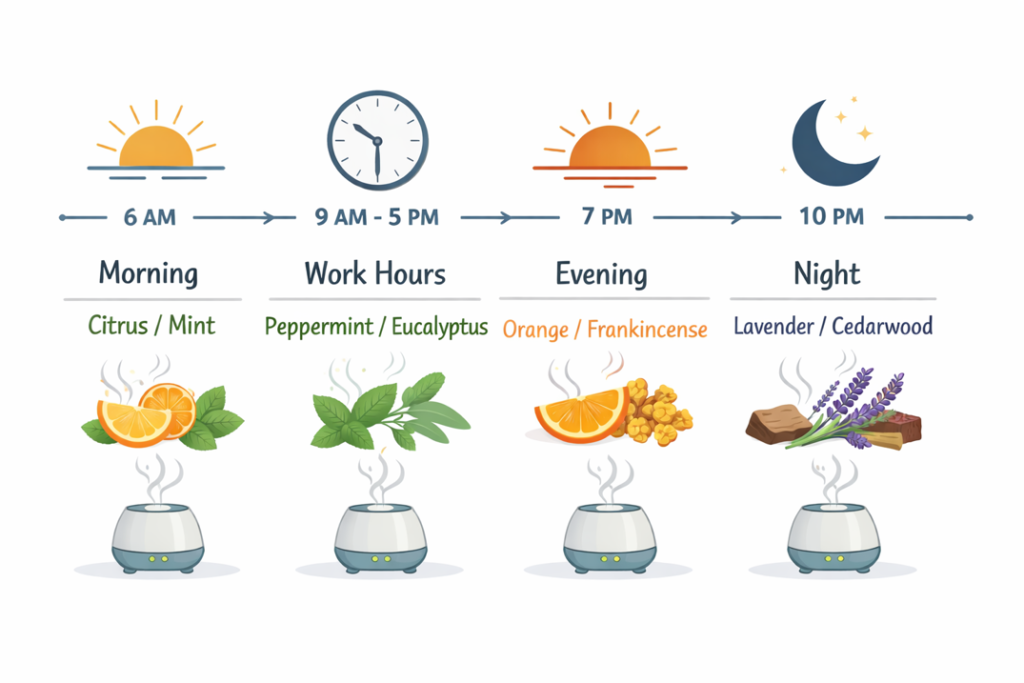
Morning Energizer Routine
6:30am – 7:00am: Grapefruit + Peppermint blend (6 drops grapefruit, 3 drops peppermint in a 400ml tank)
Starts 15 minutes before your alarm. The citrus-mint combination (kept light since peppermint can be overpowering first thing in the morning) naturally elevates alertness without harsh wake up.
Tip: Use your smart diffuser’s scheduling feature to auto-start this blend on weekday mornings. Weekend schedules can shift to gentler bergamot for a more relaxed wake up.
Work-From-Home Focus Blocks
9:00am – 12:00pm: Rosemary + Lemon (4 drops rosemary, 3 drops lemon)
Run 15 minute cycles every hour. The intermittent approach prevents scent fatigue while maintaining cognitive benefits.
1:00pm – 5:00pm: Peppermint + Eucalyptus (3 drops each)
Post lunch clarity blend combats afternoon energy dips. Eucalyptus can make a stuffy room feel fresher, while peppermint adds a sharper, more energizing note.
Evening Wind Down Protocol
7:00pm – 8:00pm: Sweet Orange + Frankincense (4 drops orange, 2 drops frankincense)
Transitional blend that reduces work stress without inducing immediate sleepiness. Signals to your body that productivity hours are ending.
9:00pm – 9:30pm: Lavender + Cedarwood (5 drops lavender, 3 drops cedarwood)
Classic sleep preparation blend. Run 30-45 minutes before target bedtime for a sleep supportive atmosphere.
Seasonal Rotation Strategy
Spring (Allergy Season): Eucalyptus, Peppermint, Lemon – Focus on cooling, refreshing scents
Summer (Energy Management): Grapefruit, Lime, Spearmint – Bright, uplifting scents for active months
Fall (Wellness Support): Tea Tree, Oregano, Thyme – Traditionally used for seasonal wellness aromatherapy
Winter (Comfort): Cedarwood, Pine, Cinnamon – Warming, grounding aromas for darker months
Rotating seasonally prevents sensory boredom and aligns aromatherapy benefits with your body’s needs throughout the year.
Essential Oil Blending Basics
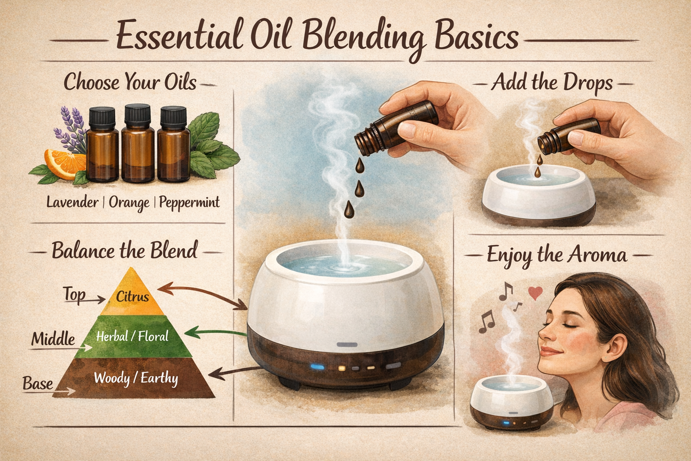
Single oils work fine, but strategic blending creates more complex aromatherapy benefits while balancing intense scents.
The Three Note Blending Framework
- Top notes (first scent you smell, evaporates quickly): Citrus oils, peppermint, eucalyptus
- Middle notes (core of the blend, lasts 2-4 hours): Lavender, rosemary, chamomile
- Base notes (deepest scent, longest lasting): Cedarwood, frankincense, sandalwood
Balanced blend formula: 3 drops top note + 2 drops middle note + 1 drop base note
This ratio creates complexity that evolves over your diffusion session. You smell bright citrus initially, transition to herbaceous middle notes, then finish with grounding base notes.
Proven Blend Recipes
“Deep Sleep” Blend
3 drops Lavender + 2 drops Roman Chamomile + 1 drop Cedarwood
Perfect for people who struggle with racing thoughts at bedtime.
“Productivity” Blend
3 drops Lemon + 2 drops Rosemary + 1 drops Peppermint
Sharpens focus without the overpowering menthol of pure peppermint.
“Stress Release” Blend
3 drops Bergamot + 2 drops Ylang Ylang + 1 drop Frankincense
Anxiety relief without drowsiness, suitable for daytime use.
“Clean Air” Blend
3 drops Tea Tree + 2 drops Eucalyptus + 1 drops Lemon
Odor fighting blend with fresh, clean scent.
“Morning Wake Up” Blend
3 drops Grapefruit + 2 drops Peppermint + 1 drop Rosemary
Energizing without coffee-level jitters.
Quality and Safety Considerations
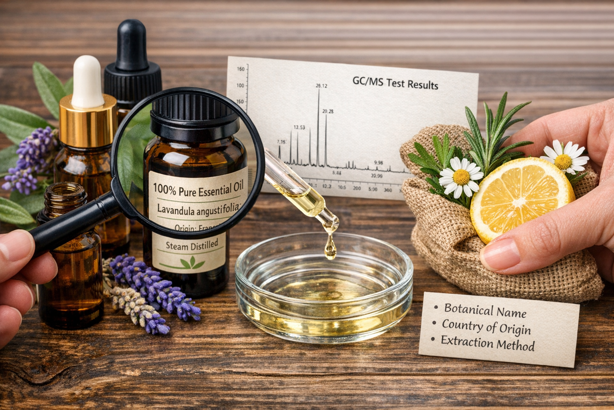
How to Identify Pure Essential Oils
Avoid oils labeled “fragrance oil,” “perfume oil” or listing ingredients like “contains essential oils” without stating purity percentage. These synthetic blends can damage diffuser mechanisms and offer no aromatherapy benefits.
Label requirements for quality oils
- Latin botanical name (Lavandula angustifolia, not just “lavender”)
- Country of origin
- Extraction method (steam distilled, cold pressed)
- “100% pure essential oil” statement
- GC/MS test results (gas chromatography/mass spectrometry)
Pet Safety: Critical Warnings
Note: These are general guidelines only. Consult your veterinarian before diffusing any oils around pets.
Essential oils affect pets differently than humans. Cats lack liver enzymes to metabolize certain compounds, making many common oils potentially harmful.
Avoid diffusing around cats: Tea tree, eucalyptus, peppermint, pine, wintergreen, ylang ylang, cinnamon, clove, thyme
Lower risk options (still use caution): Cedarwood (Cedrus atlantica), frankincense, Roman chamomile
Uncertain/conflicting guidance: Lavender appears on both lower risk and caution lists depending on the source – when in doubt, treat as caution required
Dogs tolerate more oils but avoid: Tea tree, pennyroyal, pine, wintergreen, cinnamon, clove, garlic, horseradish, mustard, onion
Safe practice: Diffuse in well ventilated rooms where pets can leave if overwhelmed. Never diffuse in closed spaces. Watch for excessive drooling, difficulty breathing, lethargy or vomiting, and stop immediately if symptoms appear.
For a full breakdown by species, including birds, small mammals and reptiles, see our dedicated guide: Are Essential Oils Safe for Pets?
Pregnancy and Children Guidelines
Note: These are general guidelines only. Always consult your healthcare provider before using essential oils during pregnancy or with children.
Avoid during pregnancy: Clary sage, rosemary, cinnamon, clove, juniper berry, thyme (these affect hormone levels or uterine contractions)
Safer pregnancy oils: Lavender, chamomile, frankincense, ginger (sometimes helps with nausea), sweet orange
Children under 2: Use only lavender, chamomile and frankincense at half the normal concentration. Avoid peppermint, eucalyptus and rosemary entirely as they can cause respiratory distress in infants.
Children 2-10: Start with 1-2 drops total in diffuser, gradually increase as tolerated. Stick to gentle oils like lavender, sweet orange, chamomile, cedarwood.
Important: When in doubt, check with your pediatrician, especially for children with asthma or respiratory sensitivity.
Recommended Essential Oil Brands
Quality varies considerably between brands. Here are reliably pure options at different price points. Remember that scent preference is highly personal. What smells amazing to one person might be overwhelming to another. These brands offer reliable purity and testing standards, but your nose gets the final vote.
Plant Therapy
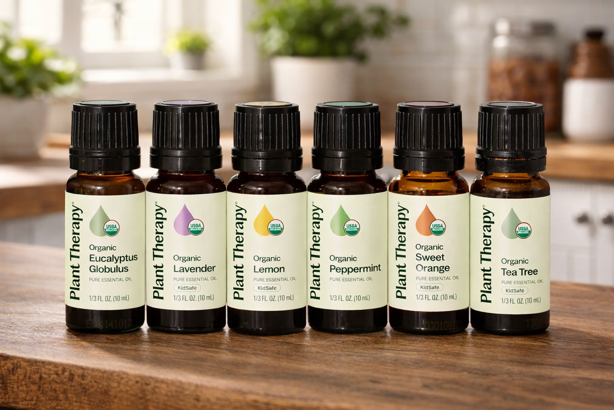
Price range: $6-25 per bottle
Why it’s worth considering: Third-party GC/MS testing on every batch, transparent sourcing, excellent customer education. Their KidSafe line eliminates the guesswork for families with children.
Best for: Beginners who want guaranteed purity without premium pricing. Their Top 6 starter set includes lavender, peppermint, eucalyptus, lemon, tea tree and orange for around $35.
Rocky Mountain Oils
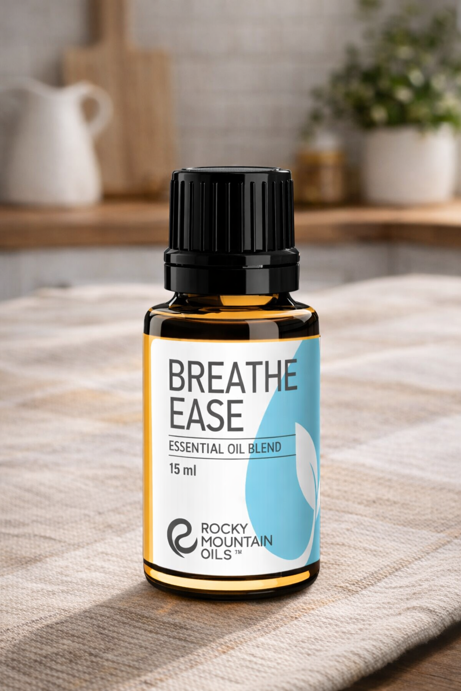
Price range: $15-35 per bottle
Why it’s worth considering: 100% pure guarantee, extensive testing protocols, therapeutic grade quality. Their blends are pre-formulated for specific purposes.
Best for: People who want ready made blends for specific purposes (sleep, focus, wellness). Their Breathe Ease blend combines eucalyptus, peppermint and pine in balanced proportions.
Eden’s Garden
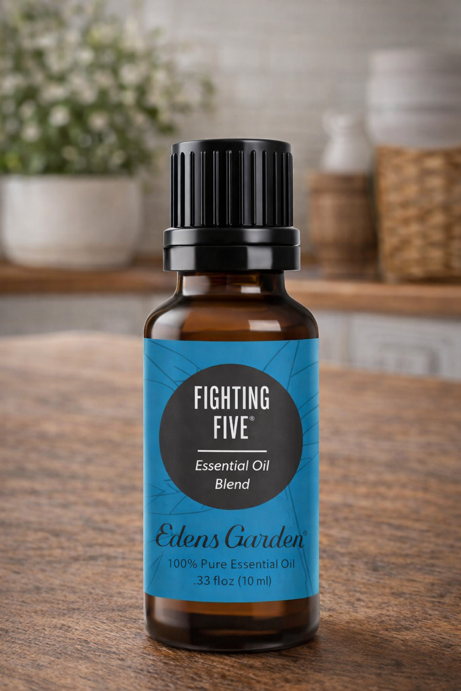
Price range: $8-20 per bottle
Why it’s worth considering: GC/MS tested, organic options available, excellent value for quality.
Best for: Budget conscious buyers who still want verified purity. Their Fighting Five blend delivers lemon, clove, cinnamon, eucalyptus and rosemary in balanced combination for traditional wellness support.
Tisserand Aromatherapy
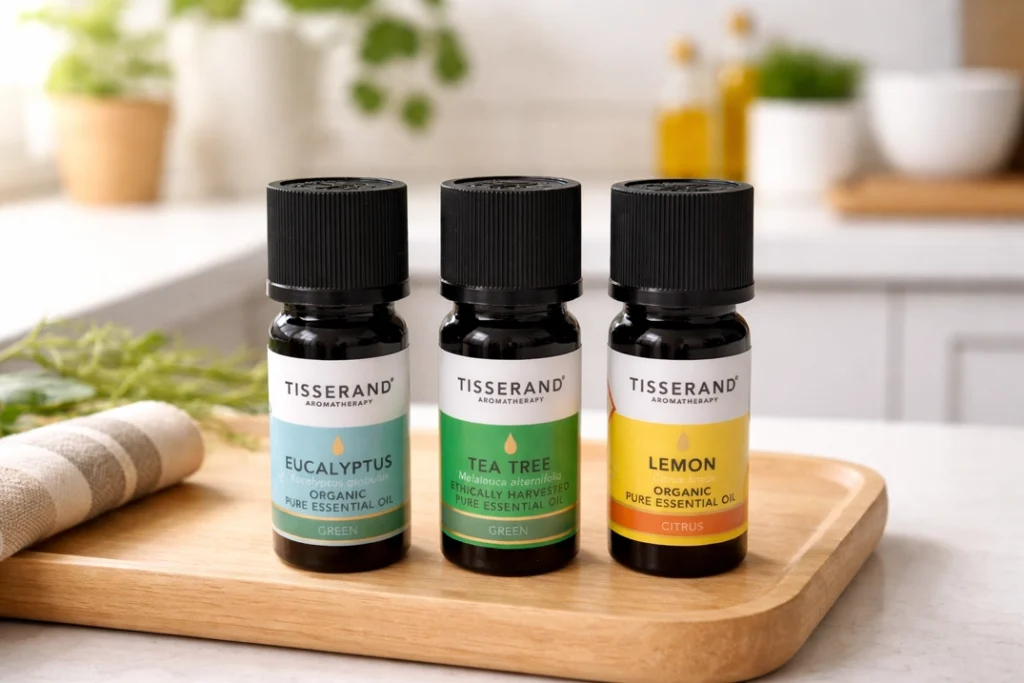
Price range: $10-38 per bottle
Why it’s worth considering: UK brand with strong purity standards, available on Amazon US. I tested the eucalyptus (organic), lemon (organic) and tea tree (ethically harvested) with the ASAKUKI diffuser. All three diffused cleanly with no residue and true-to-plant scent rather than a synthetic approximation.
Best for: Anyone wanting a reputable mid-range brand with accessible pricing. The lemon stands out as noticeably fresher than cheaper alternatives, making it a strong choice for air freshening and focus blends.
Maintenance and Troubleshooting
Cleaning Your Diffuser
Weekly cleaning (for daily users)
- Empty remaining water
- Fill tank halfway with clean water
- Add 10-15 drops white vinegar
- Run for 5-10 minutes
- Empty and wipe with soft cloth
- Rinse thoroughly with clean water
This removes oil residue that builds up on the ultrasonic plate and water tank. Skipping cleaning reduces mist output and creates funky off-smells from rancid oil build-up.
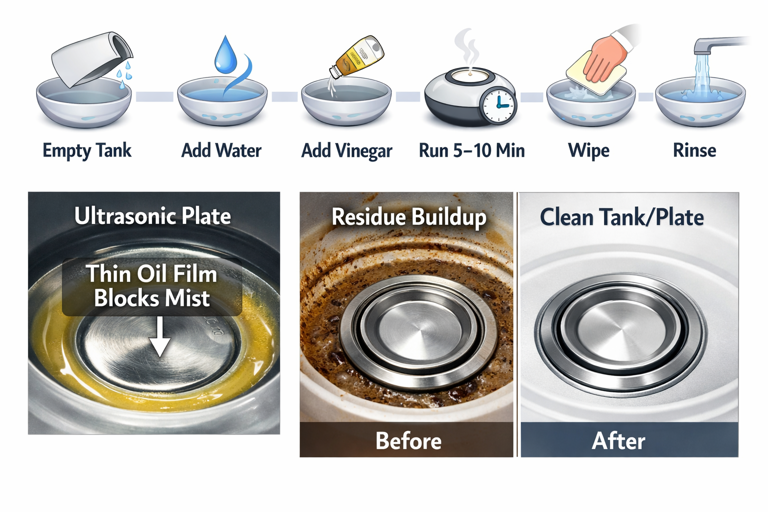
Deep cleaning (monthly)
Use rubbing alcohol on a cotton swab to clean the ultrasonic plate directly. The metal disc at the bottom needs direct contact with water to generate mist, and oil films block that contact.
For a full step-by-step routine including the monthly plate deep clean, see my dedicated guide on how to clean a diffuser.
Extending Oil Lifespan
- Store bottles in cool, dark place (heat and light degrade oils)
- Keep caps tightly sealed (oxidation begins immediately upon air exposure)
- Buy smaller bottles for infrequently used oils (4oz lasts years but degrades)
- Refrigerate citrus oils for longer shelf life (they oxidize fastest)
- Write purchase date on bottle (most oils stay potent 1-2 years, citrus 6-12 months)
Frequently Asked Questions
Can you mix different essential oils together in the diffuser?
Yes. Blending oils creates more complex aromatherapy benefits and balances overpowering scents. Start with 2-3 oils maximum until you understand how they interact. Follow the three note framework (top, middle, base) for balanced blends that evolve over time rather than hitting you with one-dimensional scent.
How many drops of essential oil per tank size?
Use roughly 3-5 drops per 100ml of water as your baseline. A 400ml diffuser gets 12-15 drops depending on oil strength and personal preference. Start conservative (3 drops per 100ml) then increase if scent seems weak. Citrus oils typically need more drops than intense oils like peppermint or eucalyptus.
Do essential oils expire?
Yes. Most essential oils remain potent for 1-2 years when stored properly in cool, dark conditions. Citrus oils oxidize faster and should be used within 6-12 months. You’ll know oils have degraded when scent becomes weak, off-smelling, or the consistency thickens noticeably. Rancid oils won’t harm you in diffusers but give no aromatherapy benefits.
Are carrier oils necessary for diffusing?
No. Carrier oils (coconut, jojoba, almond) are used for topical application to dilute potent essential oils before skin contact. Never add carrier oils to ultrasonic diffusers. They’re too thick for the ultrasonic plate and will clog your device. Use only pure essential oils mixed with water in diffusers.
Can I diffuse essential oils around babies?
For babies under 3 months, avoid diffusing essential oils. For older infants/toddlers, many pediatric sources advise extra caution. Ask your pediatrician first (especially with asthma), keep sessions short and use very low amounts in well ventilated rooms.
Building Your Essential Oil Collection
Start with 5-6 versatile oils that cover multiple wellness goals rather than buying 20 single purpose bottles.
Recommended starter collection
- Lavender: Sleep, relaxation, stress relief, gentle enough for most situations
- Peppermint: Focus, energy, strong minty scent (use lightly)
- Lemon: Mental clarity, air freshening, mood elevation, universally appealing scent
- Eucalyptus: Fresh, “clear breathing” feel in stuffy rooms
- Frankincense: Stress relief without sedation, meditation support, versatile blending base
- Tea Tree: Strong, “clean” scent that many people use for odor prone spaces
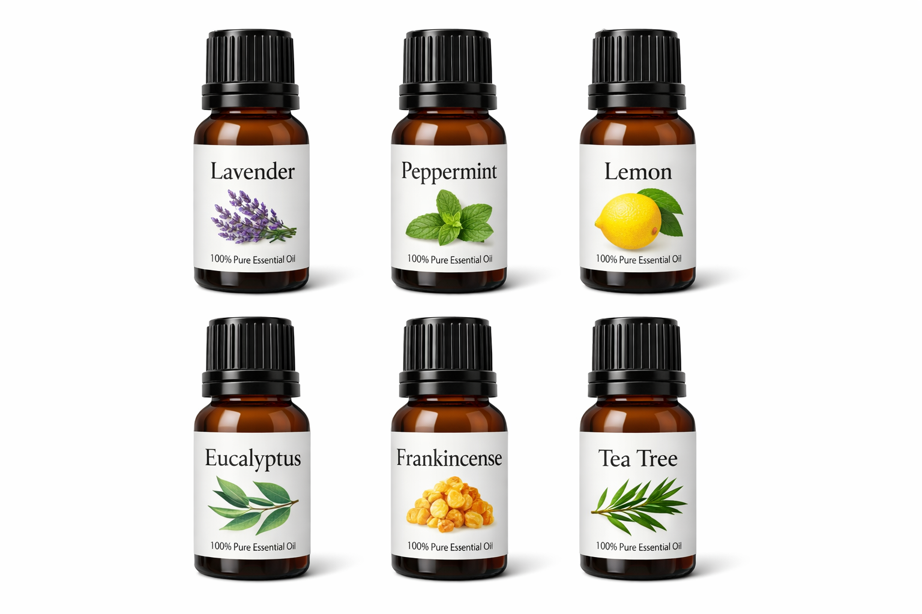
These six oils create dozens of effective blends for sleep, focus, stress, air quality and energy without overwhelming your budget or storage space.
Expand from there based on actual use: If you find yourself constantly using the sleep blends, add Roman chamomile and cedarwood. If focus blends get daily use, add rosemary and grapefruit. Let your patterns guide purchases rather than buying everything upfront.
Smarter Scenting Starts With Better Oils
Your diffuser came with a promise – transform your room with the push of a button. But without the right oils and the knowledge on how to use them properly, that promise stays locked inside a pretty device that gathers dust on your nightstand.
Now you know which oils deliver results, how to blend them for maximum impact, and how to automate the entire system so your home works for you instead of the other way around.
The spa-like relaxation you were hoping for? It was never about the diffuser. It was always about what you put in it.
Need a diffuser that works amazingly with these oils? Check out my guide to the best smart diffusers for app controlled aromatherapy. Or explore the complete Smart Home Wellness system for automated health improvements beyond just scent.