Your smart lights need one app. Your doorbell needs another. The thermostat? That’s a third app. Now you’re juggling voice assistants, wondering which devices actually talk to each other, and questioning whether “smart home” was the right term for this chaos. You buy a bulb labeled “Matter compatible” and it still won’t connect over Thread because you’re missing a Thread Border Router. Your smart lock is Z-Wave but your speaker hub only speaks Zigbee. The solution is a proper smart home hub – but pick the wrong one and you’ll lock yourself into an ecosystem that doesn’t support half your devices. This guide shows you the best smart home hubs available in 2026 to help you choose the one which matches your setup. If privacy and offline reliability outrank convenience for you, skip ahead to Hubitat.
Updated for 2026: Includes latest Matter compatibility updates, Thread Border Router requirements and Z-Wave 800 Long Range improvements.
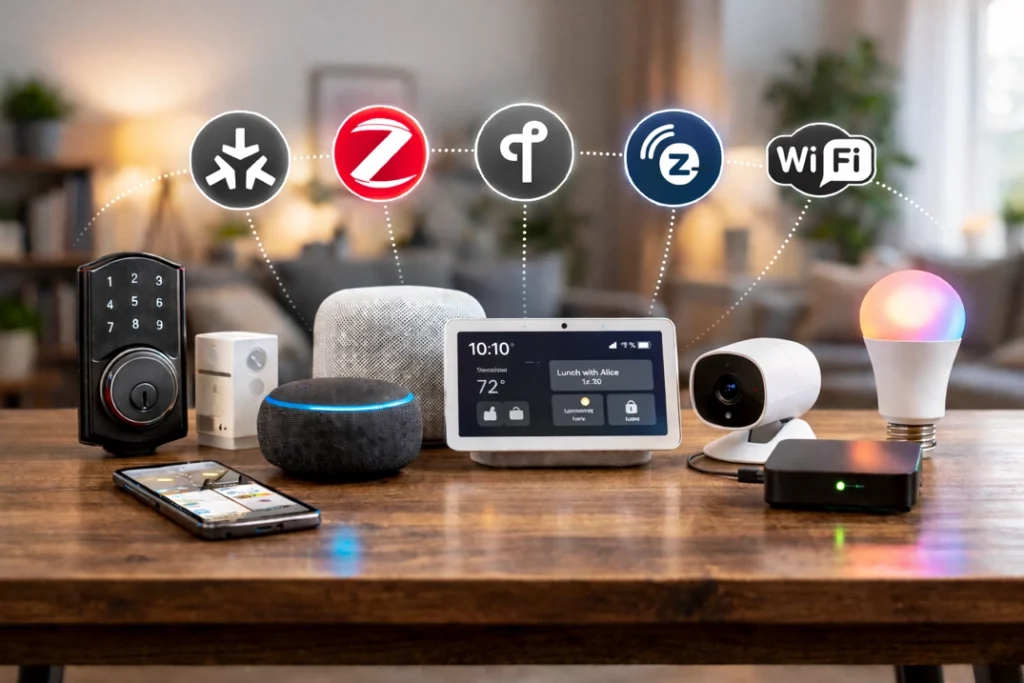
Quick Picks: Best Smart Home Hubs at a Glance
🏆 Best Overall: Amazon Echo Dot Max – $99.99 | Zigbee + Matter + Thread, compact, excellent value
📺 Best Visual Control: Amazon Echo Hub – $179.99 | Zigbee + Matter + Thread, 8″ touchscreen, multi-camera view, wall mountable
🍎 Best for Apple Users: Apple HomePod (2nd Gen) – $299.00 | Superior privacy, outstanding audio, Thread support
🤖 Best for Google Users: Google Nest Hub (2nd Gen) – $99.99 | Natural language control, 7″ display, sleep tracking
🎛️ Best for Power Users: Hubitat Elevation C-8 Pro – $199.95 | Complete local control, Z-Wave + Zigbee, advanced automation
30-Second Hub Selector
- Do you use iPhone or Android?
- iPhone → HomePod
- Android → Echo Dot Max or Nest Hub
- Do you have Z-Wave devices? (smart locks, older sensors)
- Yes → Hubitat
- No → Continue to question 3
- Want a touchscreen?
- Yes → Echo Hub or Nest Hub
- No → Echo Dot Max
Smart Home Hub Comparison Overview
| Hub | Radios / Standards | Voice Assistant | Best For | Price |
|---|---|---|---|---|
| Echo Dot Max | Wi-Fi, Zigbee, Thread, Matter | Alexa | Most users, best value | $99.99 |
| Echo Hub | Wi-Fi, Zigbee, Thread, Matter | Alexa | Visual control, larger homes | $179.99 |
| HomePod (2nd Gen) | Wi-Fi, Thread, Matter | Siri | Apple users, audio quality | $299.00 |
| Nest Hub (2nd Gen) | Wi-Fi, Thread, Matter | Google Assistant | Google users, visual interface | $99.99 |
| Hubitat C-8 Pro | Ethernet/Wi-Fi, Zigbee, Z-Wave, Matter | All (via integration) | Power users, local control | $199.95 |
What Is a Smart Home Hub?
A smart home hub consolidates control of lights, locks, thermostats, cameras and sensors into a unified system. Instead of juggling multiple apps, a quality hub lets you manage everything through one interface via smartphone, voice or automated routines.
The challenge here is not every hub supports every device. Choosing the wrong one can leave you with a fragmented system. With Matter and evolving protocols, selecting the right hub requires understanding which protocols your devices use.
Do You Actually Need a Hub?
You might NOT need a hub if:
- All devices connect via Wi-Fi and work with your phone
- You only use one ecosystem (all Google, all Apple)
- You have fewer than 10 devices
- Basic on/off controls meet your needs
A hub becomes valuable when:
- You need Zigbee, Z-Wave or Thread device support
- You’re building complex automations
- You want local control without Internet dependency
- You’re managing 10+ devices from different brands
Understanding Smart Home Protocols
Different devices speak different “languages” (protocols). Your hub must support the protocols your devices use.
- Wi-Fi: Universal compatibility, higher power consumption, requires strong network coverage
- Zigbee: Low power mesh networking, extensive device ecosystem, requires Zigbee hub, potential 2.4GHz interference
- Z-Wave: Proprietary mesh, sub-GHz (less interference), strong security, smaller ecosystem than Zigbee
- Thread: IPv6 mesh for Matter devices, ultra-low power, requires Thread Border Router, self-healing topology
- Matter: Application layer standard (not a protocol), runs over Thread/Wi-Fi/Ethernet, cross-ecosystem compatibility
For deeper technical details, see my complete IoT protocols guide.
How I Tested
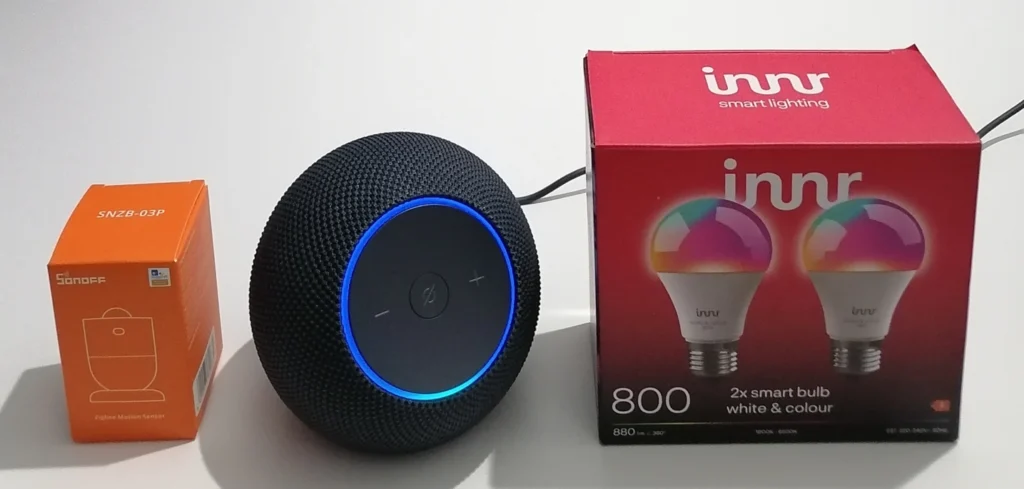
For the Echo Dot Max, I conducted hands-on testing of the built-in Zigbee hub using an Innr color bulb and a SONOFF SNZB-03P motion sensor. I documented the full pairing process through the Alexa app, built and triggered a live motion-activated automation routine, and verified multi-device coordination in practice.
Jump To:
- Quick Picks
- Amazon Echo Dot Max (Best Overall)
- Amazon Echo Hub (Best Visual Control)
- Apple HomePod 2nd Gen (Best for Apple Users)
- Google Nest Hub 2nd Gen (Best for Google Users)
- Hubitat Elevation C-8 Pro (Best for Power Users)
- FAQ
Best Smart Home Hubs for 2026
These are the five best smart home hubs for 2026 – the Echo Dot Max tested hands-on, the remaining four evaluated through verified specifications, manufacturer documentation and real world user feedback.
Amazon Echo Dot Max
Best Overall Value | $99.99 | View on Amazon (Hands-On Tested)
Rating: 4.7/5
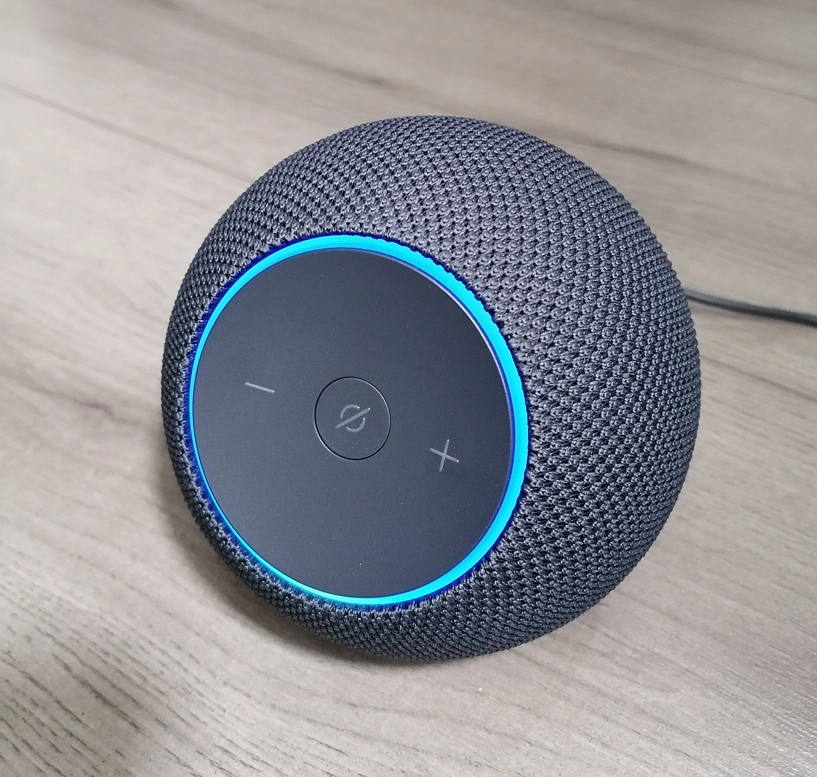
At a Glance: Zigbee + Matter + Thread Border Router | Alexa | Some local Zigbee control during outages (voice/remote still need the Internet) | No Z-Wave
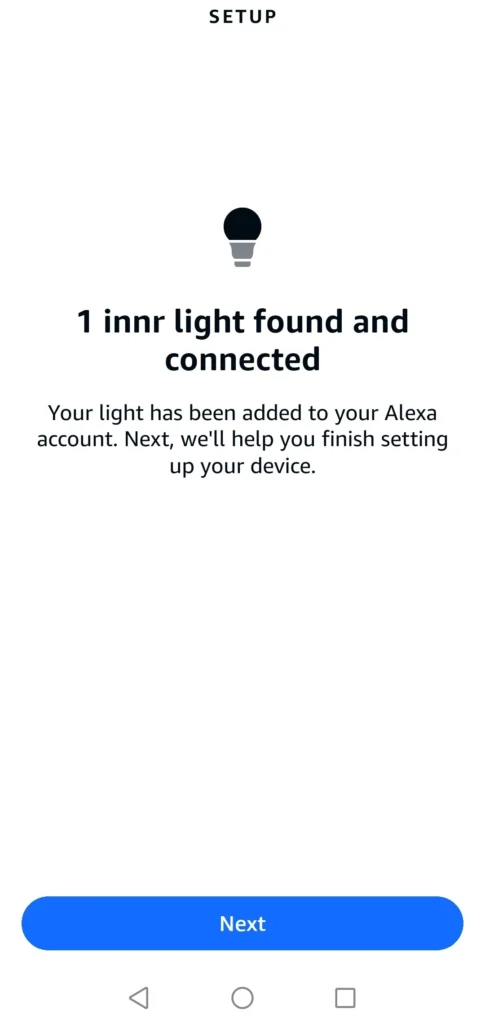
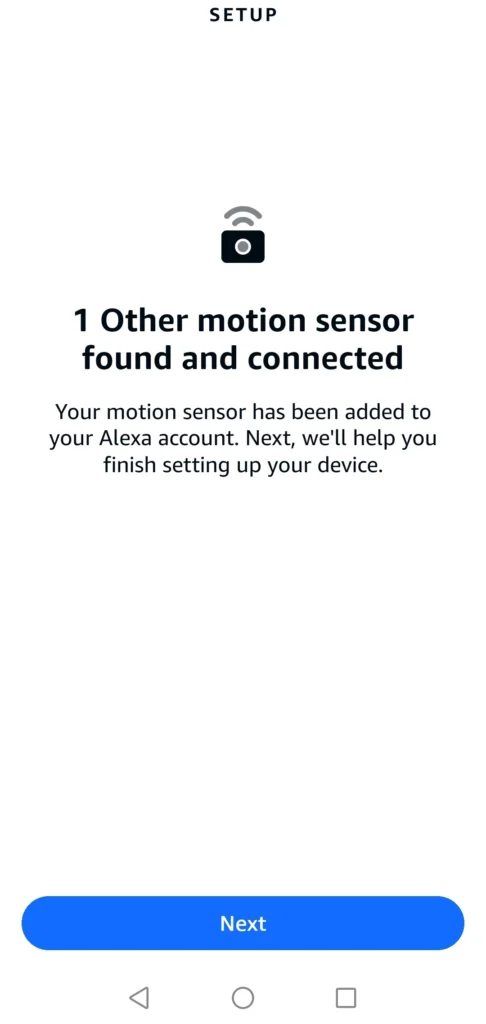
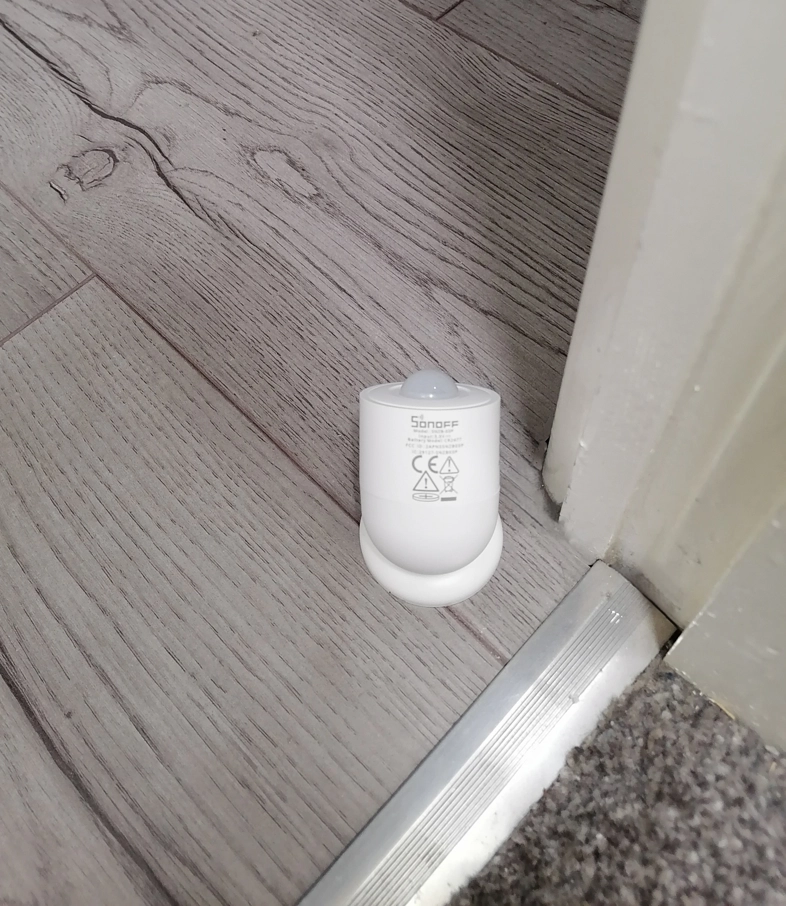
The Echo Dot Max delivers exceptional value at $99.99 with built-in Zigbee hub, Thread Border Router and Matter support. The 0.8″ tweeter and 2.5″ woofer provide notably better audio than previous Dots. I tested the Zigbee hub functionality using an Innr color bulb and a SONOFF SNZB-03P motion sensor. Both paired directly without any additional bridge hardware.
Key Specs
- Built-in Zigbee hub (often eliminates the need for a separate bridge)
- Thread Border Router for Matter devices
- Matter controller support
- Wi-Fi 6E (2.4 / 5 / 6 GHz)
- Alexa voice assistant
- Omnisense presence and temperature sensing
- 1x 0.8″ tweeter, 1x 2.5″ woofer
- Amazon Sidewalk support
Setting Up Zigbee Devices
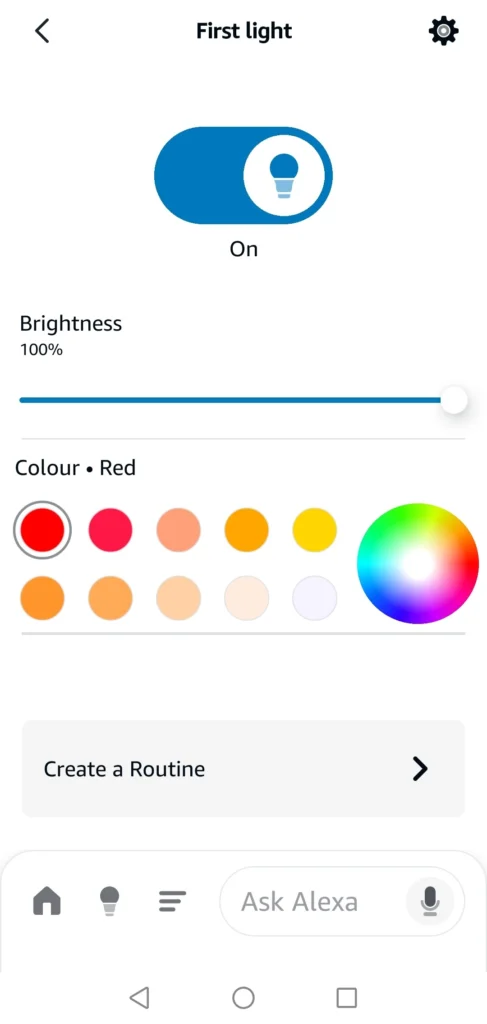
Pairing the Innr bulb took under two minutes. The Alexa app identifies Zigbee devices by logo during setup, routing them directly through the Echo Dot Max rather than over Wi-Fi. No separate bridge for many Zigbee bulbs, just the Alexa app and the bulb.
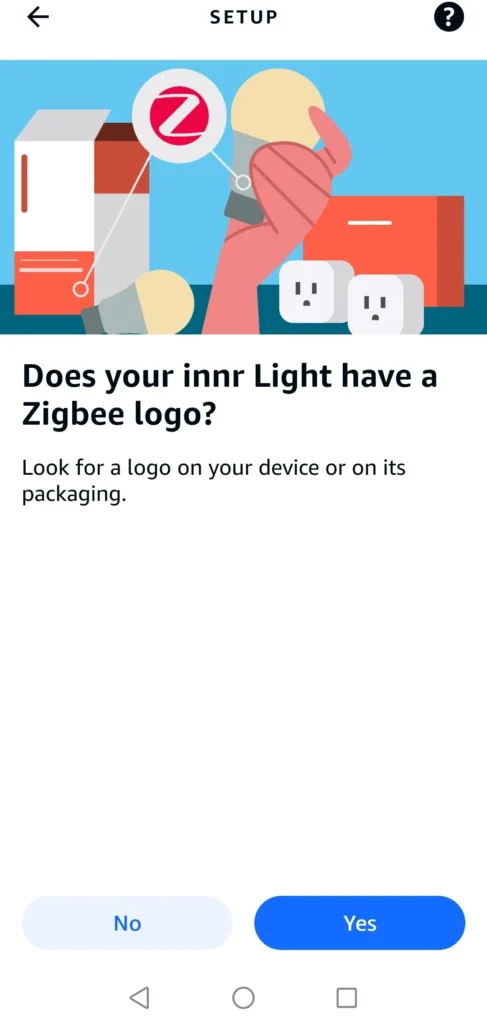
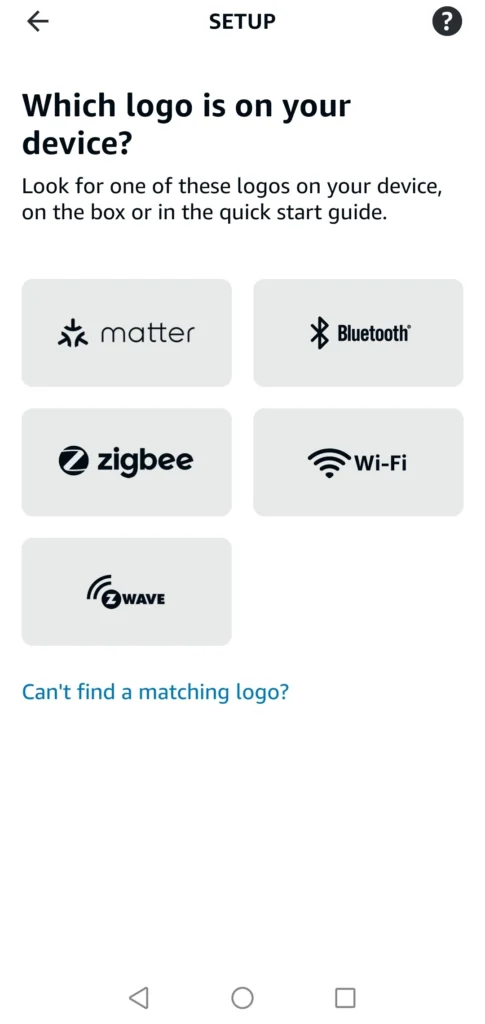
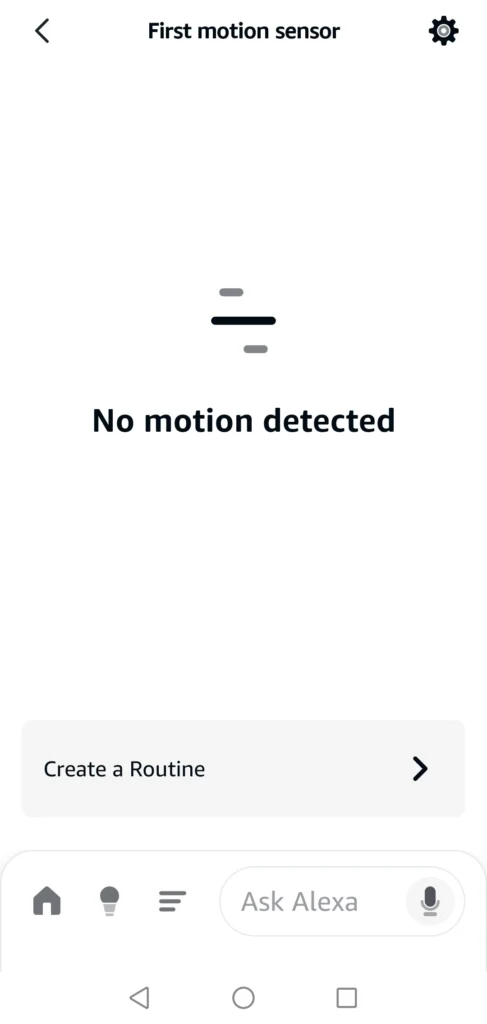
The SONOFF motion sensor paired just as smoothly. During setup, the Alexa app guides you through adding devices using options like Matter, Zigbee, Bluetooth or Wi-Fi depending on the device, so the sensor pairs directly to the hub without an extra bridge.
Automation in Practice
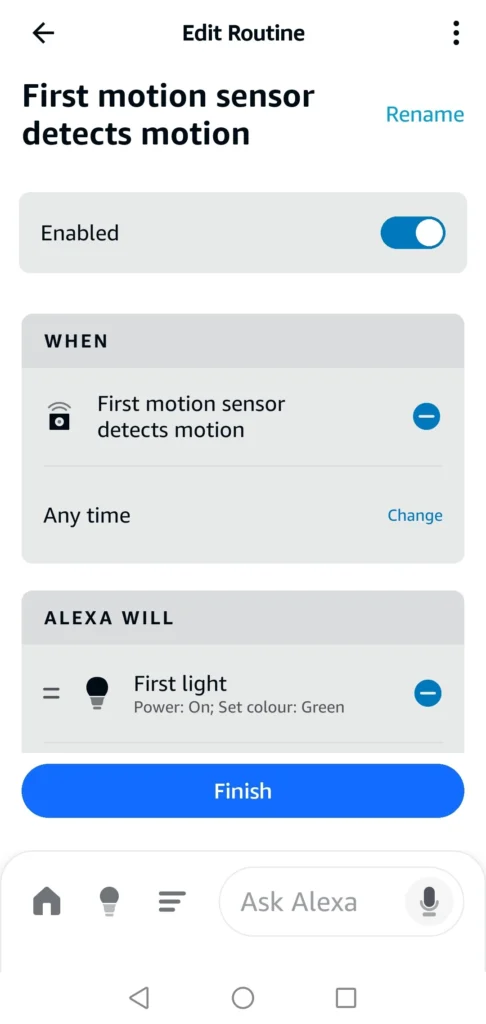
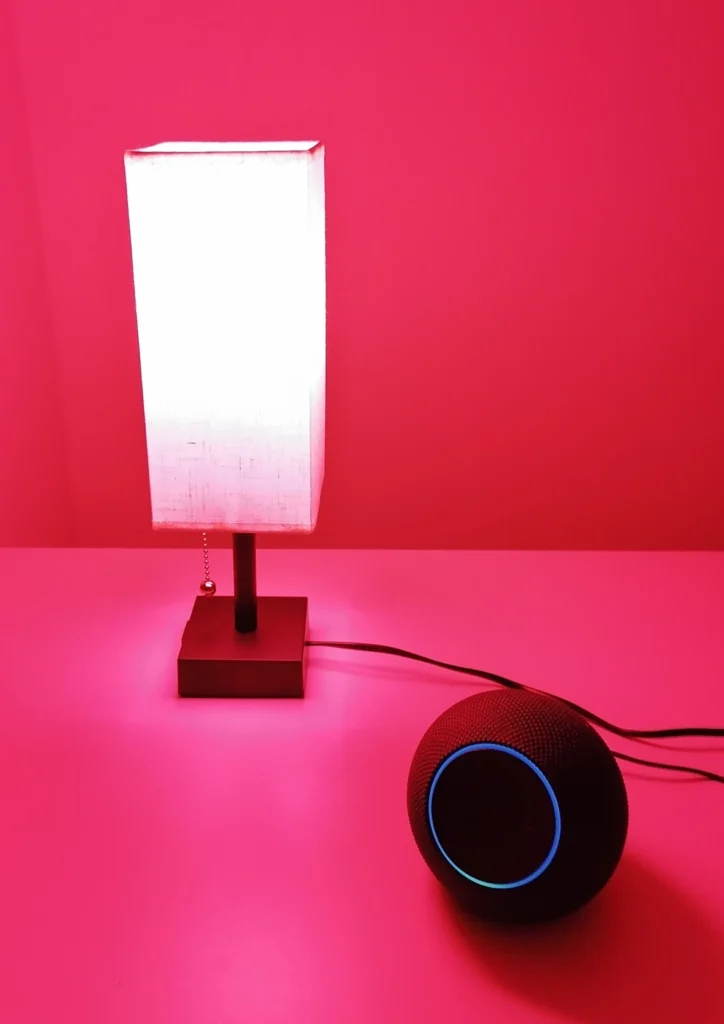
With both devices paired, I built a routine in the Alexa app – motion detected by the SONOFF sensor triggers the Innr bulb to switch on in green. The Echo Dot Max acts as the coordinator for both devices simultaneously.
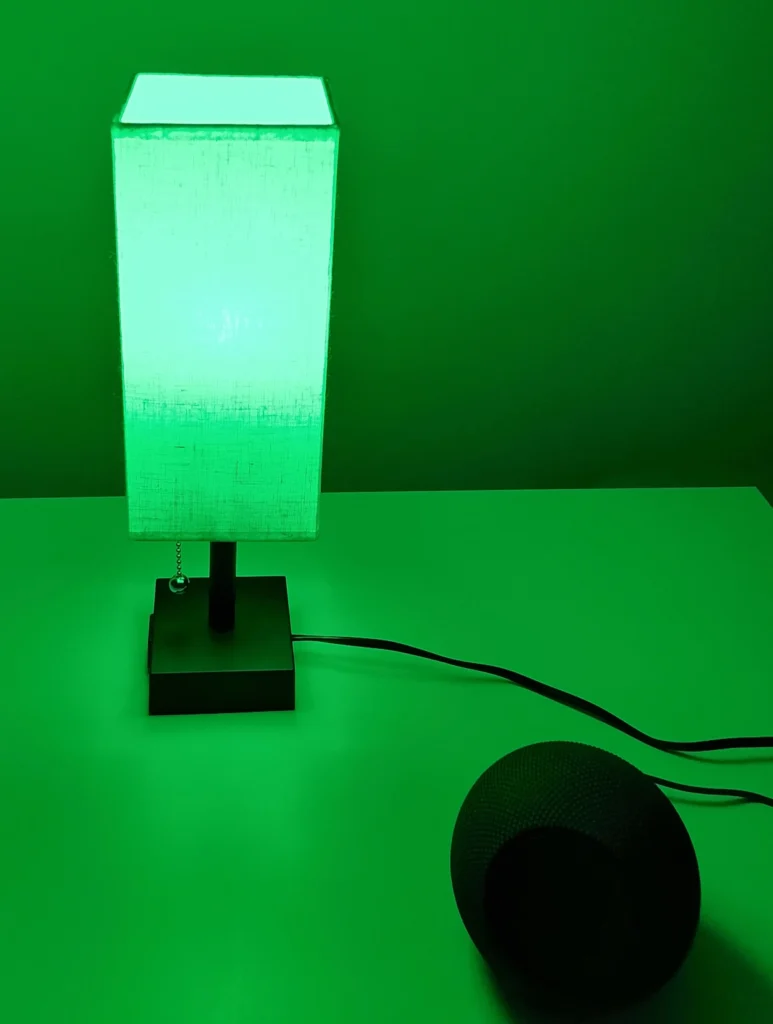
The color demonstration below shows the same bulb controlled manually via voice, flooding the room in magenta. The Echo Dot Max’s blue ring remains active throughout – a small but telling detail that the hub is listening and responding regardless of what the connected devices are doing.
Why Buy This?
- Built-in Zigbee hub can eliminate separate bridges for many Zigbee bulbs and sensors
- Thread Border Router future proofs for Matter device expansion
- One of the broadest compatibility footprints in the mainstream smart home ecosystem
- Powerful automations via Alexa Routines with multi-condition triggers
- Omnisense technology can trigger routines using presence and temperature sensing (useful for “someone is home” automations)
- Compact 4-inch design fits anywhere without dominating space
Worth Knowing
- No Z-Wave support (need separate hub for Z-Wave locks/sensors)
- Privacy considerations with always-listening device
- Most processing requires cloud connectivity
Best For
Budget conscious users starting fresh or upgrading, homes primarily using Zigbee/Wi-Fi devices, those comfortable with Alexa’s ecosystem, young families needing reliable routines without complexity.
Amazon Echo Hub
Best for Visual Control | $179.99 | View on Amazon (Research Based Evaluation)
Rating: 4.6/5
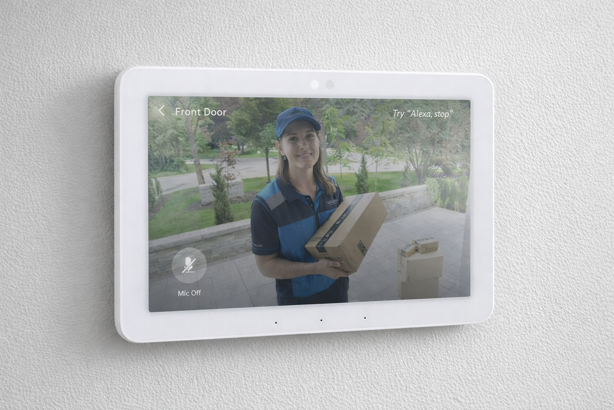
At a Glance: 8″ touchscreen | Zigbee + Matter + Thread Border Router | Alexa | Dedicated smart home interface | $179.99
The Echo Hub provides an 8-inch touchscreen dedicated exclusively to smart home management, unlike multi-purpose displays that blend entertainment with control.
Key Specs
- 8″ touchscreen dedicated smart home control panel
- Built-in Zigbee hub
- Thread Border Router for Matter devices
- Matter controller support
- Wi-Fi connected
- Alexa voice assistant
- Multi-camera view support
Why Buy This?
- Dedicated smart home interface prioritizes device control over entertainment
- Customizable dashboard groups devices by room, function or frequency
- Multi-camera view displays several feeds simultaneously
- Full hub radios include Zigbee and Thread Border Router
- Flexible mounting wall or countertop placement
Worth Knowing
- $80 premium over Echo Dot Max may not justify cost if you have tablets readily available
- Small speaker is fine for prompts and brief audio, not a music-first device
- Same protocol limitations as Echo Dot Max (no Z-Wave)
Best For
Managing 20+ devices, multiple security cameras, dedicated control panel preference.
Apple HomePod (2nd Gen)
Best for Apple Users | $299.00 | Check Price at Apple (Research Based Evaluation)
Rating: 4.5/5
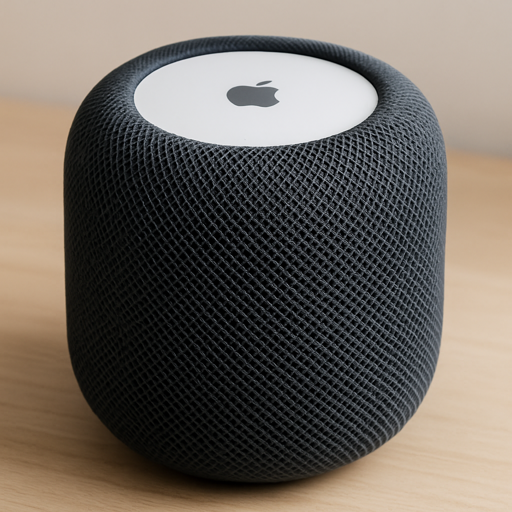
At a Glance: Thread Border Router | Siri | iOS/iPadOS required | Many local HomeKit automations continue during outages | $299.00
The HomePod 2nd Gen combines audiophile-grade sound with Thread Border Router functionality, serving as Apple’s premium smart home hub with privacy-first design.
Key Specs
- Thread Border Router for Matter devices
- Matter controller support (via Apple Home)
- Wi-Fi connected
- Siri voice assistant
- Built-in temperature and humidity sensors
- Sound recognition (smoke/CO alarms)
- Spatial audio with room adaptation
- Requires iPhone/iPad for setup
Why Buy This?
- Exceptional audio quality with spatial audio and room adaptation
- Privacy-first design with on-device processing, no voice profiling for ads
- Seamless Apple integration across iPhone, iPad, Mac, Apple Watch, Apple TV
- Built-in sensors for temperature and humidity automation
- Sound recognition detects smoke/CO alarms with iPhone notifications
Worth Knowing
- Thread only, no Zigbee or Z-Wave support (need bridges for those devices)
- Smaller HomeKit device ecosystem than Alexa/Google
- 3× price of Echo Dot Max ($299 vs $99)
- Requires iPhone/iPad for setup (Android incompatible)
Best For
Apple ecosystem users with iPhone/iPad/Mac, audiophiles wanting premium sound with smart home control, privacy conscious users avoiding cloud dependency, Thread/Matter prioritization over legacy protocols.
Google Nest Hub (2nd Gen)
Best for Google Ecosystem | $99.99 | Check Price at Google (Research Based Evaluation)
Rating: 4.2/5
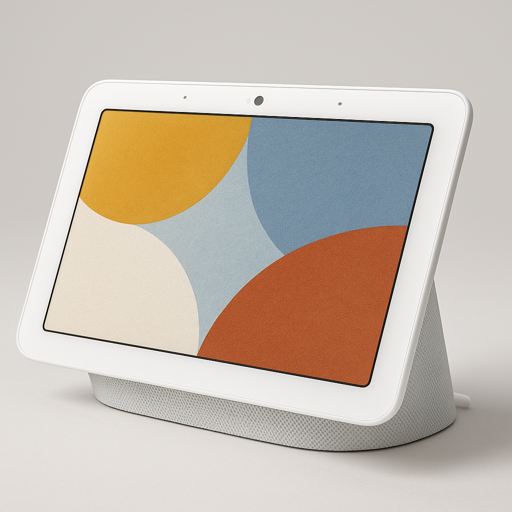
At a Glance: 7″ touchscreen | Thread Border Router | Google Assistant | Sleep tracking | $99.99
The Nest Hub 2nd Gen blends a 7-inch touchscreen with smart home control, leveraging Google’s superior natural language processing and service integration.
Key Specs
- 7″ touchscreen display
- Thread Border Router for Matter devices
- Matter controller support (via Google Home)
- Wi-Fi connected
- Google Assistant voice control
- Sleep sensing via Soli radar (no camera)
- Google Calendar, Photos, YouTube integration
Why Buy This?
- Superior natural language processing understands context and follow-up questions effortlessly
- Visual + voice control offers flexibility for tap or talk interaction
- Sleep sensing via Soli radar tracks patterns without cameras or wearables
- Built-in Thread Border Router for Matter device connectivity
- Seamless Google integration with Calendar, Photos, YouTube, Maps
Worth Knowing
- Thread/Wi-Fi only, no Zigbee or Z-Wave
- Smaller device ecosystem than Alexa
- Cloud dependent processing requires Internet connectivity
- Simpler routines than Alexa or Hubitat
Best For
Android users, Google service enthusiasts, natural language control priority, sleep tracking interest.
Hubitat Elevation C-8 Pro
Best for Power Users | $199.95 | View on Amazon (Research Based Evaluation)
Rating: 4.4/5
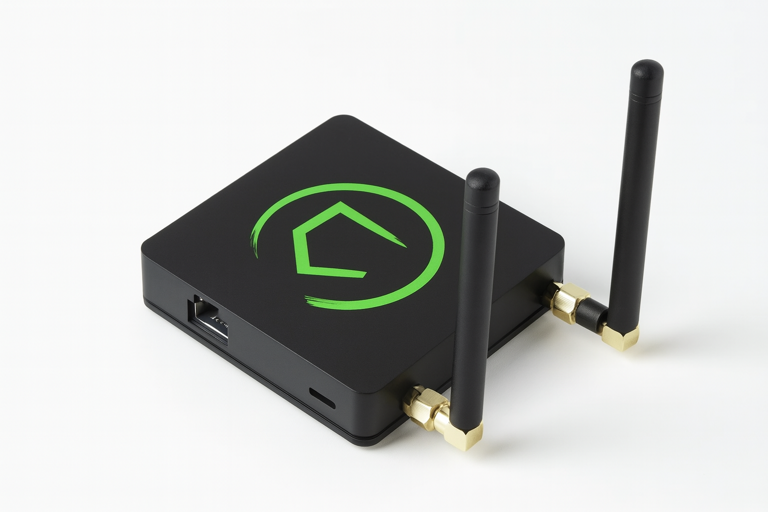
At a Glance: Zigbee + Z-Wave + Matter | All voice assistants | 100% local processing | $199.95
The Hubitat C-8 Pro delivers maximum protocol support, complete local processing and advanced automation without cloud dependency or subscriptions.
Key Specs
- Zigbee 3.0 hub with external antenna
- Z-Wave 800 with Long Range and external antenna
- Matter controller support
- Ethernet and Wi-Fi connectivity
- 100% local processing (no cloud required)
- No subscription required for core features or remote access
- Alexa, Google Assistant and Siri compatible (via integration)
Why Buy This?
- Complete protocol support: Zigbee 3.0, Z-Wave 800 with Long Range, Matter, Wi-Fi
- 100% local processing works without a hitch during Internet outages with faster response
- No subscription required for core functionality including remote access
- Z-Wave 800 Long Range theoretically reaches up to 1 mile line-of-sight (a marketing figure – indoors you’ll see far less, but still far superior to standard Z-Wave for detached structures)
- External antennas boost Zigbee and Z-Wave range significantly
- Advanced Rule Machine handles virtually any automation scenario
- Complete privacy, as data never leaves your local network
Worth Knowing
- Setup complexity requires web interface and technical knowledge
- Double the price of Echo Dot Max ($199.95 vs $99.99)
- Less consumer polished than plug-and-play options
- No Thread Border Router – Thread-only Matter devices won’t connect directly
Best For
Power users wanting maximum control, tech-savvy homeowners with Z-Wave smart locks, privacy-focused individuals requiring zero cloud dependency, larger properties needing extended wireless range, apartment dwellers who need systems that work during Internet outages.
Protocol Support Quick Reference
| Hub | Zigbee | Z-Wave | Thread | Matter |
|---|---|---|---|---|
| Echo Dot Max | ✓ | ✗ | ✓ | ✓ |
| Echo Hub | ✓ | ✗ | ✓ | ✓ |
| HomePod (2nd Gen) | ✗ | ✗ | ✓ | ✓ |
| Nest Hub (2nd Gen) | ✗ | ✗ | ✓ | ✓ |
| Hubitat C-8 Pro | ✓ | ✓ | ✗ | ✓ |
Device Matching
- Zigbee devices → Echo Dot Max, Echo Hub or Hubitat
- Z-Wave devices → Hubitat only
- Thread/Matter devices → Echo Dot Max, Echo Hub, HomePod and Nest Hub (Hubitat supports Matter over Wi-Fi/Ethernet but not Thread)
- Mixed protocols → Hubitat offers maximum flexibility for Zigbee + Z-Wave combinations
Before You Buy: Essential Checklist
- Verify your phone OS: iPhone users can choose any hub (HomePod offers best integration). Android users must skip HomePod
- Check Wi-Fi coverage: Strong signal required throughout home (Hubitat can also use wired Ethernet for better stability)
- Identify device protocols: List current devices and their protocols (Zigbee/Z-Wave/Thread)
- Count your devices: Under 10: any hub works | 10-30: all handle comfortably | 30+: Echo or Hubitat recommended
- Assess automation needs: Basic: all hubs work | Moderate: Alexa/Hubitat | Advanced: Hubitat
Frequently Asked Questions
What is the easiest smart home hub for beginners?
The Amazon Echo Dot Max is the easiest hub for beginners. Setup takes less than 5 minutes via the Alexa app, it supports the broadest range of devices without requiring technical knowledge and Alexa’s voice commands are intuitive for first time users. The built-in Zigbee hub can eliminate the need for separate bridges for many Zigbee bulbs and sensors (Hue included, depending on the features you want). At $99.99, it’s also the most affordable entry point for a full featured hub.
Which smart home hub works best with mixed devices from different brands?
For mixed brand setups, the Hubitat Elevation C-8 Pro offers the most flexibility with support for Zigbee, Z-Wave and Matter protocols. However, if you don’t need Z-Wave devices, the Echo Dot Max provides excellent cross-brand compatibility with Zigbee and Thread support at half the price. Both hubs work with devices regardless of manufacturer, as long as they use supported protocols.
Do I need a smart home hub if all my devices support Matter?
Usually, yes. Matter devices still need a Matter controller (like Alexa, Google Home, or Apple Home) and Thread-based Matter devices also require a Thread Border Router. Matter is an application layer standard that runs over existing protocols like Thread and Wi-Fi. Thread Border Routers are built into hubs like Echo Dot Max, HomePod and Nest Hub. Matter over Wi-Fi devices work without a dedicated hub but can still benefit from centralized control and automation that hubs provide.
Do hubs work without Internet?
Hubitat is the most offline-capable hub. It executes all routines locally without any Internet dependency. Echo maintains some local Zigbee device control during outages, HomePod continues many HomeKit automations locally, but both still rely on cloud services for voice commands, remote access and most advanced features.
Making Sense of the Smart Home Chaos
Smart homes work best when devices act as a system, not a collection of apps. The right hub brings order by matching your protocols, priorities and tolerance for cloud reliance.
For most households, the Echo Dot Max offers the strongest balance of price, compatibility and simplicity. Apple users who prioritize privacy and tight ecosystem integration will prefer the HomePod (2nd Gen). The Google Nest Hub (2nd Gen) suits households invested in Google services who want strong voice control and a simple visual interface. If Z-Wave support or offline reliability matters, Hubitat remains the most capable option. For homes that benefit from a dedicated dashboard, the Echo Hub provides clear, at-a-glance control.
Focus on coordination, not quantity. Start with a few reliable devices, build practical automations, and expand only when the foundation feels solid. A well chosen hub keeps everything working quietly in the background – exactly where smart home technology belongs.